
Creating a productive home office environment is essential for anyone working remotely or running a business from their own space. With the right setup, you can increase your focus, reduce distractions, and maintain your motivation throughout the day. Whether you’re new to working from home or looking to improve your current space, these practical tips will help you design a workspace that supports your best work.
Choose the Right Location
Selecting the ideal spot for your home office is the first step. Consider an area with natural light, which can improve your mood and energy levels. If possible, pick a quiet corner away from high traffic or noisy parts of your home. Avoid areas that serve multiple purposes, such as the dining table or living room, as these can lead to frequent distractions.
Consider Privacy
If you live with others, try to find a space where you won’t be interrupted. Using a room with a door you can close helps create a physical boundary between work and home life.
Invest in Comfortable and Functional Furniture
Your desk and chair are the foundation of your home office comfort. Poorly chosen furniture can lead to discomfort and health issues over time.
– Desk: Choose a desk with enough surface area for your computer, paperwork, and any other tools you need. Adjustable desks that allow for sitting or standing are great for flexibility.
– Chair: Invest in an ergonomic chair that supports your posture. Look for adjustable height, lumbar support, and comfortable cushioning.
Organise with Storage Solutions
Clutter can quickly diminish productivity. Use shelves, drawers, and organisers to keep your workspace tidy and materials easy to find.
– Use baskets or trays for smaller items.
– Label storage boxes and files for quick access.
– Keep only essential items on your desk to minimise distractions.
Set Up Technology Efficiently
A well-equipped home office includes reliable technology that helps you work smoothly.
– Ensure your internet connection is fast and stable.
– Use a good quality monitor, keyboard, and mouse to reduce strain.
– Consider noise-cancelling headphones if background noise is an issue.
– Keep cables organised with clips or ties to avoid a tangled mess.
Personalise Your Space
Adding personal touches can make your home office feel welcoming and inspiring without being distracting.
– Choose calming colours for the walls or desk accessories.
– Add plants; they can improve air quality and boost wellbeing.
– Display a few meaningful photos or artwork to inspire you.
Establish a Clear Routine
Having a designated start and end time for work helps you stay productive and maintain a work-life balance.
– Set alarms or reminders to start and finish your workday.
– Take regular breaks, such as a five-minute stretch every hour.
– Dress as if you’re going to the office to shift your mindset into “work mode”.
Control Lighting and Temperature
Proper lighting reduces eye strain and keeps you alert.
– Use a mix of natural sunlight and task lighting, such as desk lamps.
– Avoid glare on computer screens by positioning your desk thoughtfully.
– Keep your workspace at a comfortable temperature to maintain focus.
Minimise Distractions
Reduce interruptions to stay on task throughout the day.
– Turn off non-essential notifications on your devices.
– Use apps or browser extensions to block distracting websites during work hours.
– Inform household members of your work schedule to manage expectations.
Keep Your Workspace Clean
A clean and organised environment supports a clear mind.
– Wipe down surfaces regularly to keep your area fresh.
– Dispose of unnecessary papers and items frequently.
– Plan a weekly tidy-up to maintain order and prevent clutter build-up.
Encourage Movement and Stretching
Sitting for extended periods can negatively impact your health.
– Stand up and stretch every hour.
– Incorporate short walks or light exercise during breaks.
– Use a standing desk or alternate between sitting and standing if possible.
Final Thoughts
Creating a productive home office environment is about designing a space that fits your needs and supports your daily work. By choosing the right location, investing in comfortable furniture, organising efficiently, and minimising distractions, you set yourself up for success. Remember to maintain routines and care for your wellbeing to keep productivity high while working from home. With these tips, you can enjoy a balanced and effective workspace tailored to you.
Related Posts
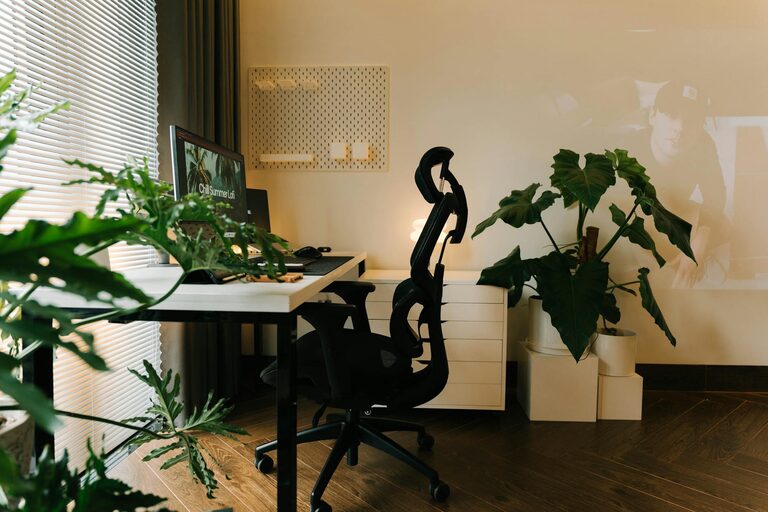
Creating a Productive and Inspiring Home Office Environment
Working from home has become a common part of many…
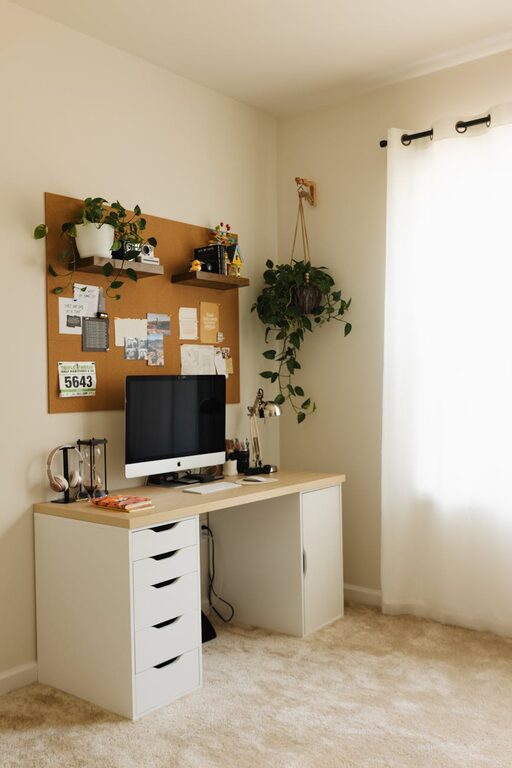
Tips for Creating a Relaxing and Productive Home Office Environment
Creating a home office that is both relaxing and productive…
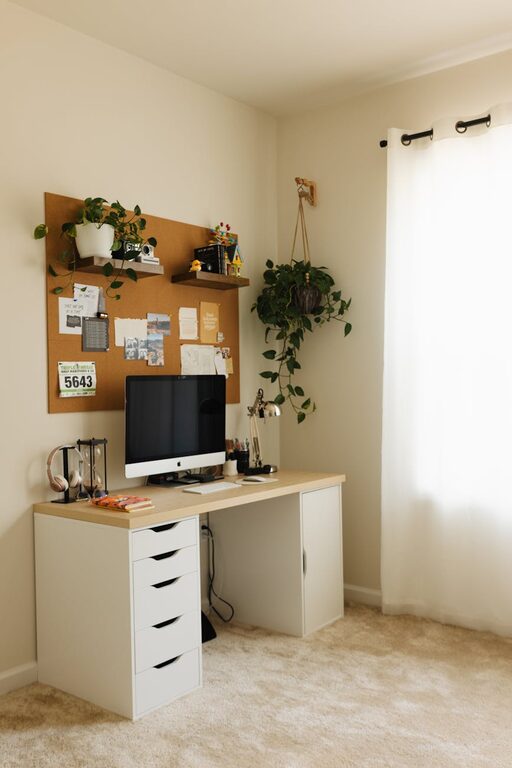
Tips for Creating a Relaxing and Productive Home Workspace
Creating a home workspace that balances productivity with relaxation is…