
Working from home has become increasingly common, and having a dedicated, well-designed home office space can make a big difference to your productivity and wellbeing. Whether you’re freelancing, working remotely, or managing personal projects, creating an environment tailored for focus and comfort helps you stay motivated and efficient.
In this post, we’ll cover practical tips for setting up a productive home office space that suits your needs.
Choose the Right Location
The first step to creating a productive workspace is selecting the best spot in your home:
– Quiet and Private: Pick a space away from heavy foot traffic, noise, and distractions.
– Natural Light: Choose a room or area with plenty of daylight to enhance mood and reduce eye strain.
– Enough Room: Ensure you have enough space for your desk, chair, storage, and movement without feeling cramped.
If a separate room isn’t available, consider using screens or room dividers to create a visual boundary between work and living areas.
Invest in Ergonomic Furniture
Comfort is crucial for long hours at your desk. Poor posture can lead to discomfort and reduce concentration.
– Chair: Use an adjustable chair that supports your lower back and promotes good posture.
– Desk: Pick a desk at the right height for you. Adjustable desks or sit-stand options can be beneficial.
– Screen Position: Position your monitor at eye level to avoid neck strain.
– Keyboard and Mouse: Place these so your arms stay relaxed and close to your body.
Adding ergonomic accessories like footrests or wrist supports can also improve comfort.
Organise Your Workspace
A tidy and organised workspace helps clear your mind and limits distractions.
– Declutter Regularly: Remove unnecessary items and keep only essentials on your desk.
– Storage Solutions: Use drawers, shelves, and filing systems to keep papers and equipment orderly.
– Cable Management: Use clips or sleeves to keep cords neat and out of the way.
– Desk Layout: Arrange items so frequently used tools are easily accessible.
A clean, organised desk supports smoother workflows.
Personalise Your Space
A pleasant environment can help lift your spirits and enhance creativity.
– Plants: Indoor plants improve air quality and add a natural touch.
– Artwork: Hang motivating or calming artwork to personalise the walls.
– Lighting: Aside from natural light, use adjustable lamps with warm or neutral tones.
– Decor: Choose colours and items that make the space inviting but not distracting.
Personal touches can make you feel more at home and encourage longer focus.
Set Clear Boundaries
Maintaining a work-life balance is easier when your workspace feels dedicated to your professional activities.
– Work Hours: Define your working hours and stick to them, signalling when you’re available.
– Separate Space: Use the workspace only for work-related activities to associate it with productivity.
– Communicate Boundaries: Let family or housemates know your schedule and workspace rules.
Establishing boundaries helps reduce interruptions and stress.
Utilise Technology Wisely
Technology is vital for remote work, but it can also be a source of distraction.
– Reliable Equipment: Ensure your computer, internet, and software are up to date and functioning properly.
– Headphones: Noise-cancelling headphones can help block unwanted sounds and improve concentration.
– Apps and Tools: Use productivity apps, calendars, and task managers to stay organised.
– Limit Distractions: Turn off non-essential notifications during focused work time.
Using technology strategically can enhance efficiency without overwhelming you.
Maintain Good Air Quality and Temperature
Your physical environment impacts comfort and focus.
– Ventilation: Keep your workspace well-ventilated with fresh air circulation.
– Temperature: Maintain a comfortable temperature; too hot or too cold can distract you.
– Humidity: Use a humidifier or dehumidifier if needed to avoid dryness or dampness.
A comfortable environment supports sustained concentration.
Take Regular Breaks and Move
Even with a perfect setup, sitting too long affects your health and focus.
– Break Schedule: Follow the Pomodoro technique or other break routines, working for 25-50 minutes, then resting.
– Stretch and Move: Stand, stretch, or walk around during breaks to reduce stiffness and boost energy.
– Eye Care: Practice the 20-20-20 rule; every 20 minutes, look at something 20 feet away for 20 seconds.
Regular movement refreshes your mind and body.
—
Setting up a productive home office takes some thought and effort, but the benefits for your focus and wellbeing are well worth it. By choosing the right location, investing in ergonomic furniture, organising your space, and creating clear routines, you’re setting yourself up for successful and satisfying workdays.
Happy working from home!
Related Posts
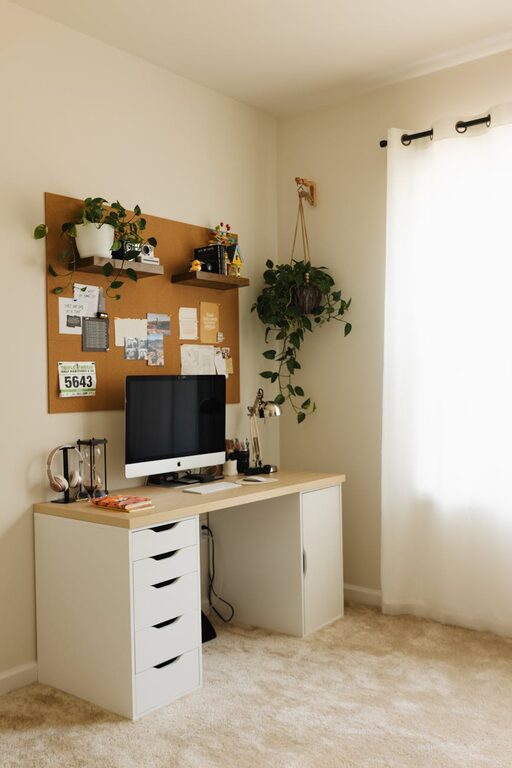
Tips for Creating a Relaxing and Productive Home Office Environment
Creating a home office that is both relaxing and productive…

Tips for Creating a Productive Home Office Environment
Creating a productive home office environment is essential for anyone…
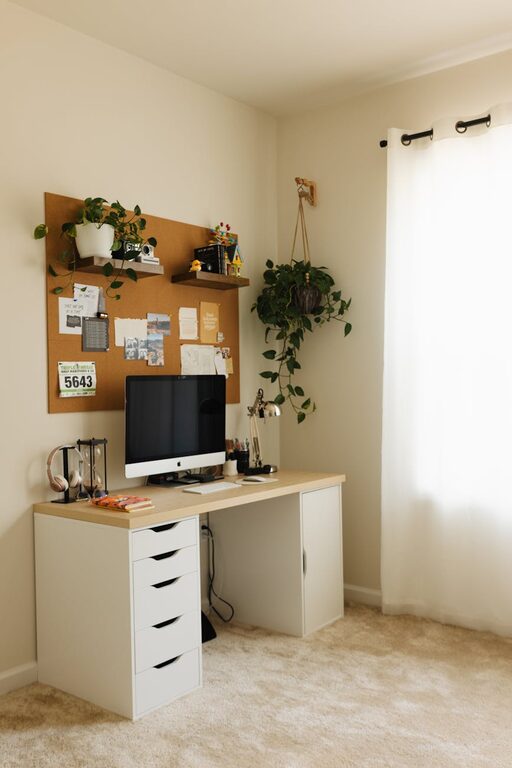
Tips for Creating a Relaxing and Productive Home Workspace
Creating a home workspace that balances productivity with relaxation is…