
Creating a home workspace that balances productivity with relaxation is essential, especially as more people embrace flexible and remote working lifestyles. A well-designed environment can help you stay focused, reduce stress, and maintain a healthy work-life balance. Whether you have a dedicated room or a small corner, these practical tips will guide you in setting up a space that supports both your wellbeing and your work goals.
Choose the Right Location
The first step is selecting a suitable spot for your workspace. Ideally, this should be a quiet area with minimal distractions.
– Find natural light: Position your desk near a window if possible. Natural daylight improves mood and concentration.
– Away from noise: Avoid areas close to busy family zones like the kitchen or living room.
– Separate from relaxation spots: If space allows, keep your workspace distinct from places where you unwind to help switch off after work.
Invest in Comfortable, Functional Furniture
Your furniture choices impact your comfort and efficiency throughout the day.
– Ergonomic chair: Select a chair that supports your posture with adjustable features for height, backrest, and armrests.
– Appropriate desk height: A desk that suits your height prevents strain – your elbows should rest comfortably at right angles.
– Declutter with storage: Use shelving, drawers, or organisers to keep your workspace tidy and everything within easy reach.
Optimise Lighting and Screen Setup
Good lighting reduces eye strain and enhances focus.
– Layer lighting: Combine natural light with ambient and task lighting. A desk lamp with adjustable brightness helps on darker days.
– Screen position: Place your computer screen at eye level about an arm’s length away to reduce neck and eye strain.
– Consider blue light: Blue light filters or glasses can minimise the impact of screen glare, especially if you work late.
Personalise Your Space Without Overcrowding
Adding personal touches makes your workspace inviting but avoid distractions.
– Plants: A small plant can improve air quality and add a calming natural element.
– Inspiring artwork: Choose simple, uplifting wall art to boost your mood.
– Minimal decorations: Keep personal items limited to prevent clutter and distraction.
Maintain Good Organisation and Routine
Staying organised contributes to productivity and relaxation.
– Prioritise tasks: Use planners or digital apps to organise your daily workload.
– Keep essentials handy: Store frequently used items close while less-used materials can go further away.
– Clear desk policy: End your day by tidying your workspace to start fresh the next morning.
Incorporate Relaxation Elements
Taking breaks is important for mental and physical wellbeing during the workday.
– Comfortable seating: Include a cosy chair or cushion nearby for short breaks.
– Mindfulness tools: A small corner with a journal or meditation app can encourage relaxation during downtime.
– Hydration and snacks: Keep a water bottle and healthy snacks accessible to stay energised.
Manage Noise and Distractions
Controlling sound and interruptions helps maintain focus.
– Noise-cancelling headphones: Useful if you share your home or if external noise is unavoidable.
– White noise or soothing music: Gentle sounds can enhance concentration for some individuals.
– Set boundaries: Communicate your work hours to family or housemates to minimise interruptions.
Maintain Healthy Habits
Your workspace should support overall wellness.
– Regular movement: Set reminders to stand, stretch, or walk briefly.
– Natural posture changes: Avoid remaining static for long periods.
– Air quality: Ventilate the room regularly to keep the air fresh.
Final Thoughts
Creating a home workspace that feels relaxing and encourages productivity is a worthwhile investment. By thoughtfully selecting your location, furniture, lighting, and organisation methods — while adding calming elements and maintaining healthy habits — you can build an environment that supports your best work without compromising your wellbeing. Remember, it may take some adjustments to find what works best for you, so be patient and open to change as you settle into your ideal home workspace.
Related Posts
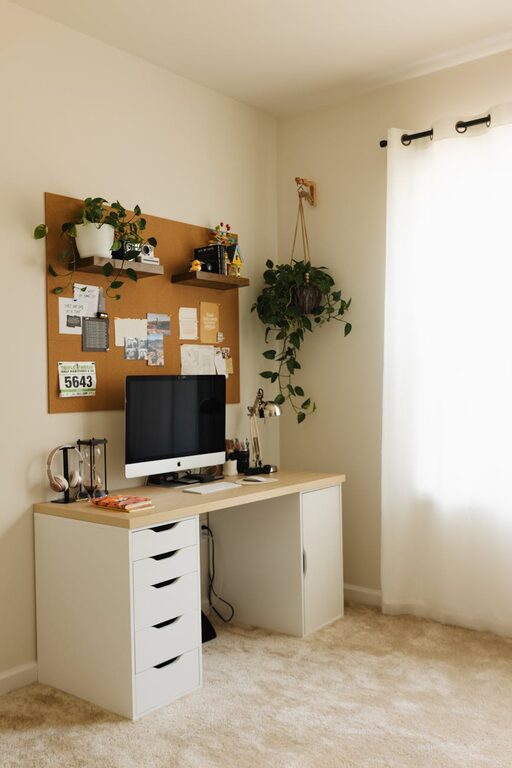
Tips for Creating a Relaxing and Productive Home Office Environment
Creating a home office that is both relaxing and productive…
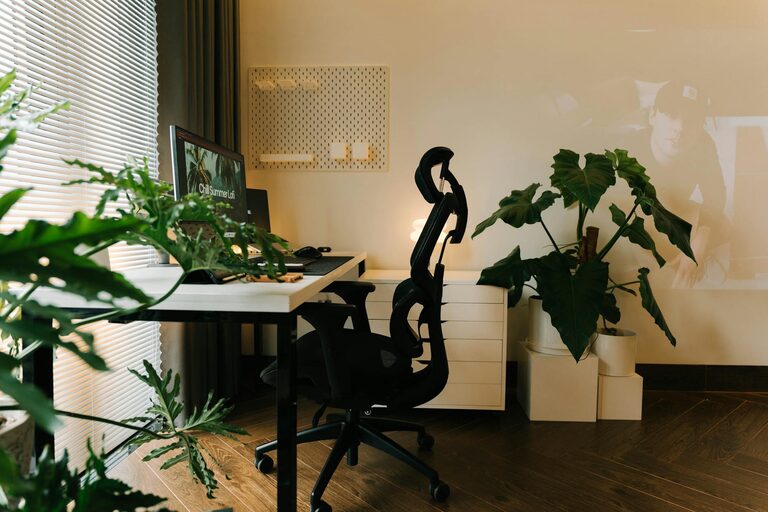
Creating a Productive and Inspiring Home Office Environment
Working from home has become a common part of many…
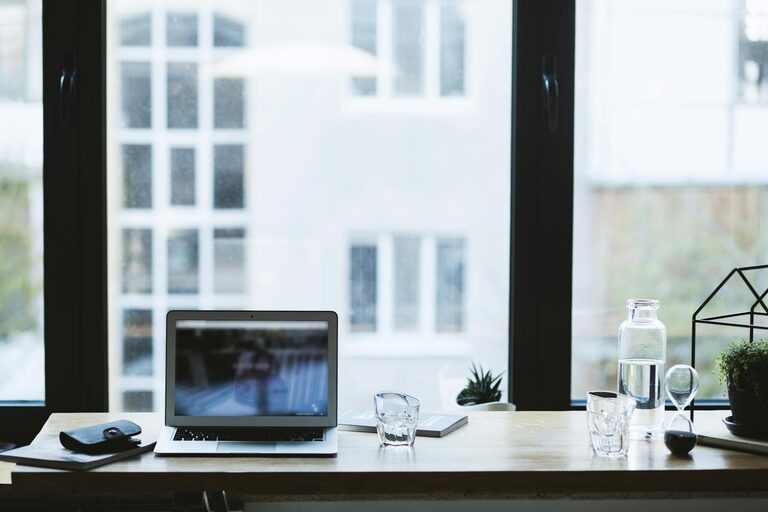
Tips for Creating a Productive Home Office Environment
Creating a productive home office environment is essential for anyone…